Nutcracker: Saving...
For this installment, let’s make a 180° turn and discuss how to extract data from the disk.
For this installment, let’s make a 180° turn and discuss how to extract data from the disk.
One thing worth mentioning is that in order to be effective, one has to learn the system as well as possible. In order to write demo effects (for example) it is usually sufficient to learn some parts of the hardware (Shifter/Videl, YM2149, MFP, etc). But other software are usually more complex and use other parts of the system, which includes I/O and the operating system itself.
Probably one of the most important things for this series is to learn how to get data from storage devices into memory. We will present some of the most used techniques in the hope of seeing them here will make them recognisable “out in the field”.
Let’s start by covering the absolute basics.
(Note that this won’t be a take-people-by-the-hand-and-show-them-everything series, it will mostly focus on specialised topics that people will stumble on. Things like setting up and using emulators etc are taken for granted)
People who worked on TOS are very clever.
(Originally published in Atariscne news)
»or: “new” tricks on old machines
Taking a closer look at the radar effect shown in SNDH v4.8 update demo
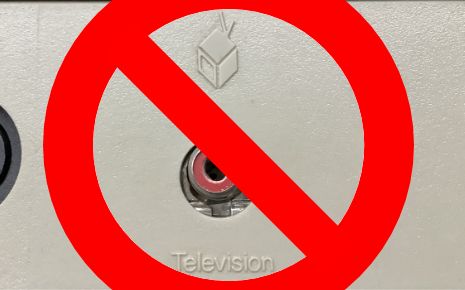
We all know that situation: your new(ish), shiny(ish) Atari ST just arrived - but apparently there‘s no way to get this thing to display a picture anywhere. No HDMI port, no DVI port, no VGA - heck, what where those Atari guys even thinking?
»Sometimes you know you’re into a world of hurt, but you dive in head first anyway.
How does one make a demo with someone that has almost the opposite tastes as yourself?

Since the original blog by Landon Dyer is gone now, we’ve republised the pair of iconic articles off a copy from web.archive.org.
»